How Safety Standards Propel Professional Growth in Utility-Scale Solar Projects
The Role of Safety Standards
Importance in Utility-Scale Solar
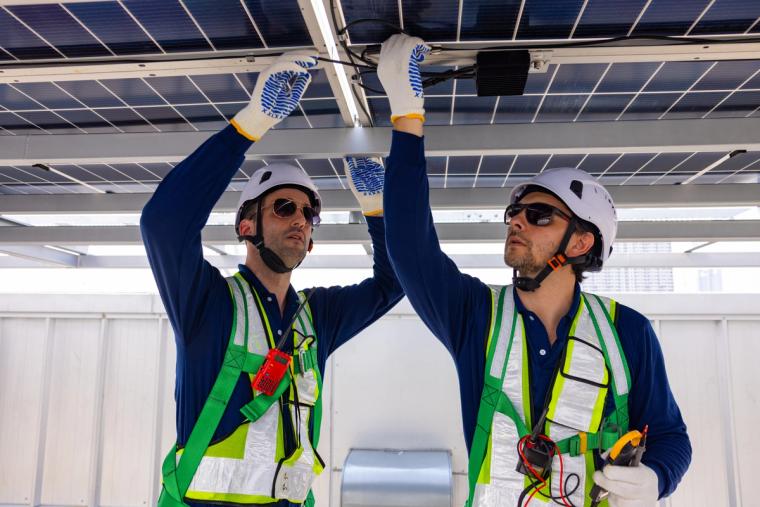
Safety standards in utility-scale solar projects are not just regulatory requirements; they're fundamental to project success. These standards ensure the well-being of workers and the longevity of installations.
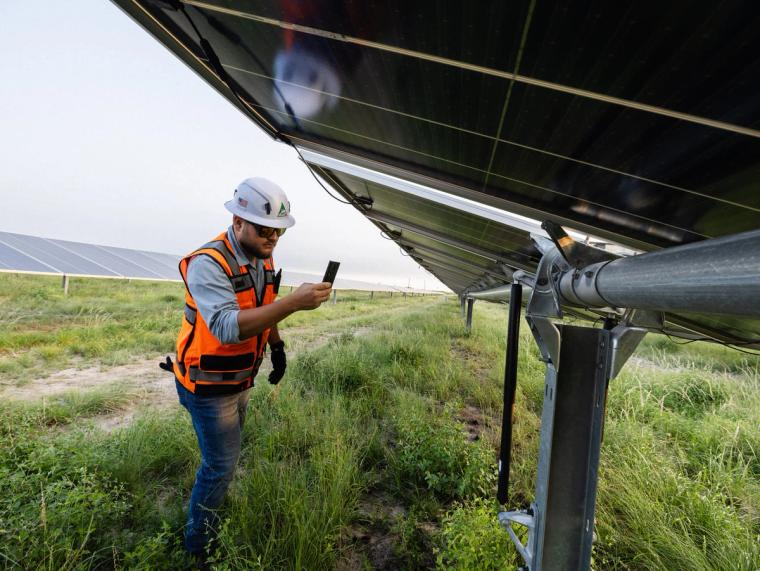
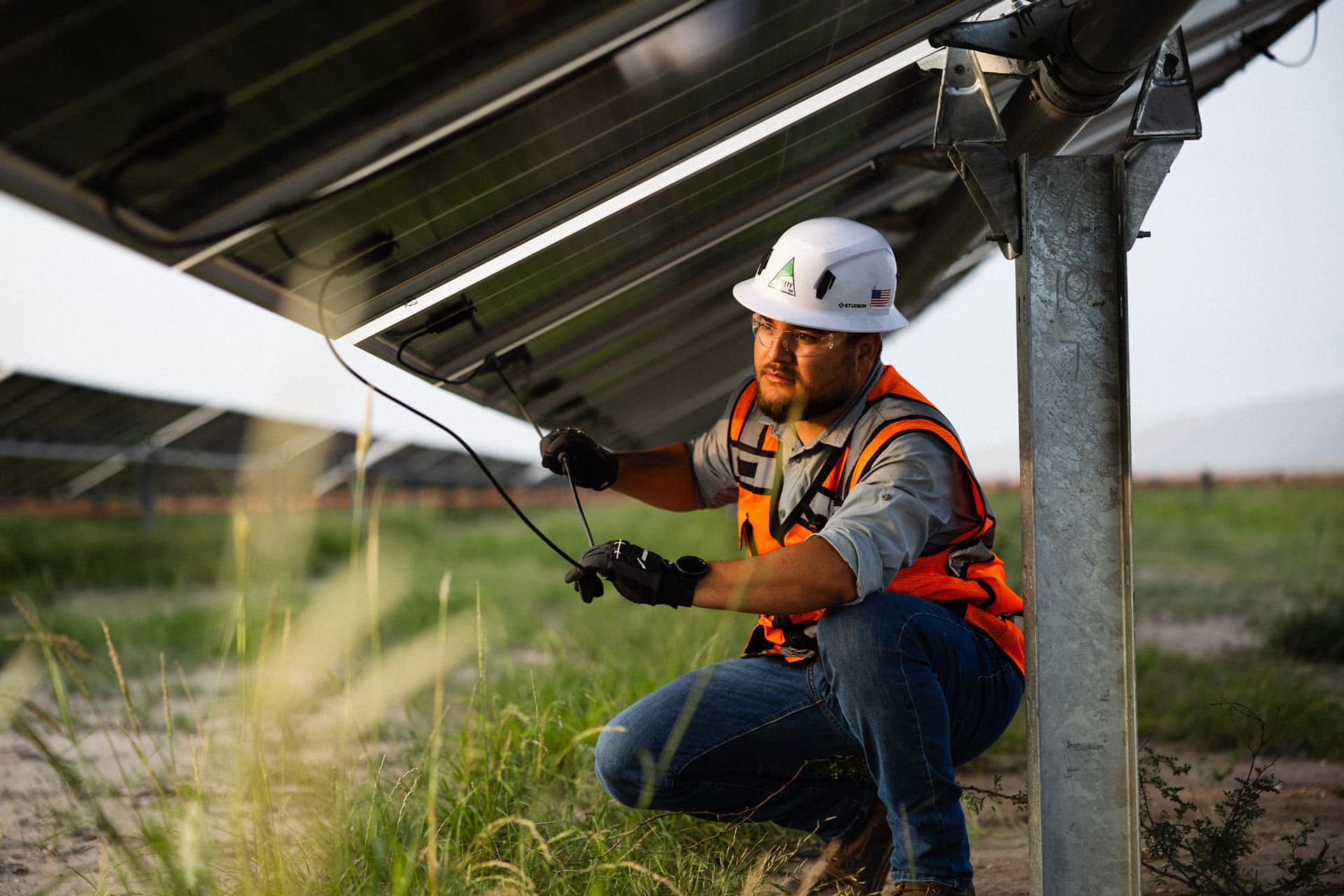
In large-scale solar farms, workers face unique challenges such as electrical hazards, fall risks, and exposure to extreme weather conditions. Robust safety standards address these risks systematically.
Adherence to safety standards also enhances project efficiency. When safety protocols are ingrained in daily operations, work progresses smoothly with fewer interruptions, leading to timely project completion and cost-effectiveness.
Impact on Professional Growth
Safety standards serve as a catalyst for professional growth in the solar industry. They create a structured framework for skill development and career advancement.
Professionals who master these standards often find themselves in high demand. Their expertise not only ensures safer work environments but also contributes to project efficiency and risk management.
Career progression in this field often correlates with one's grasp of safety standards. As professionals advance, they may transition from implementing standards to developing and overseeing safety policies for entire organizations or projects.
Training and Certification
To excel in utility-scale solar safety, professionals need specialized training and certifications. These credentials validate expertise and open doors to new opportunities.
Key Safety Training Programs
Safety training programs in utility-scale solar cover a wide range of critical areas. These programs equip professionals with the knowledge and skills to manage risks effectively.
Utility-scale solar construction project management courses often include comprehensive safety modules. These courses cover topics like electrical safety, fall protection, and emergency response procedures.
Training programs also focus on specific aspects of solar installation safety. For instance, courses may delve into proper handling of photovoltaic panels, safe operation of heavy machinery, and mitigation of environmental hazards.
Continuous learning is crucial in this field. Regular refresher courses and updates on new safety technologies and regulations are essential for maintaining high safety standards.
Certification Pathways for Safety Professionals
Certifications play a crucial role in validating a professional's expertise in solar safety. They serve as tangible proof of knowledge and commitment to safety standards.
The Solar Energy International (SEI) Solar Professionals Certificate Program offers comprehensive training that includes safety components. This certification is widely recognized in the industry.
For those focusing specifically on safety, certifications like the Certified Safety Professional (CSP) or the Solar PV Professional certification can significantly boost career prospects.
Certification pathways often involve a combination of coursework, practical experience, and examinations. Professionals should choose certifications that align with their career goals and the specific needs of utility-scale solar projects.
Career Development Opportunities
The focus on safety in utility-scale solar projects opens up numerous career development paths. Let's explore how professionals can advance in this field and the long-term benefits of prioritizing safety standards.
Advancing in Workplace Safety Roles
Advancement in workplace safety roles within utility-scale solar projects often follows a clear progression. Professionals typically start in entry-level positions and move up as they gain experience and expertise.
Career paths may include roles such as Safety Technician, Safety Coordinator, Safety Manager, and eventually Director of Safety. Each step requires a deeper understanding of safety standards and their application in large-scale solar installations.
Specialization can also lead to career growth. For example, professionals might focus on electrical safety, environmental compliance, or safety training and become sought-after experts in these niches.
Long-term Benefits of Safety Standards
Embracing safety standards offers long-term benefits that extend beyond immediate career advancement. These benefits impact both individual professionals and the industry as a whole.
Professionals who prioritize safety often enjoy greater job security and higher earning potential. Their expertise becomes invaluable as the industry continues to grow and safety regulations evolve.
At an industry level, consistent adherence to high safety standards leads to fewer accidents, lower insurance costs, and improved public perception of solar energy projects. This creates a positive cycle, driving further growth and opportunities in the sector.
Utility-scale solar essentials courses often highlight how safety integration leads to more efficient and cost-effective projects, further underscoring the value of safety expertise in career development.