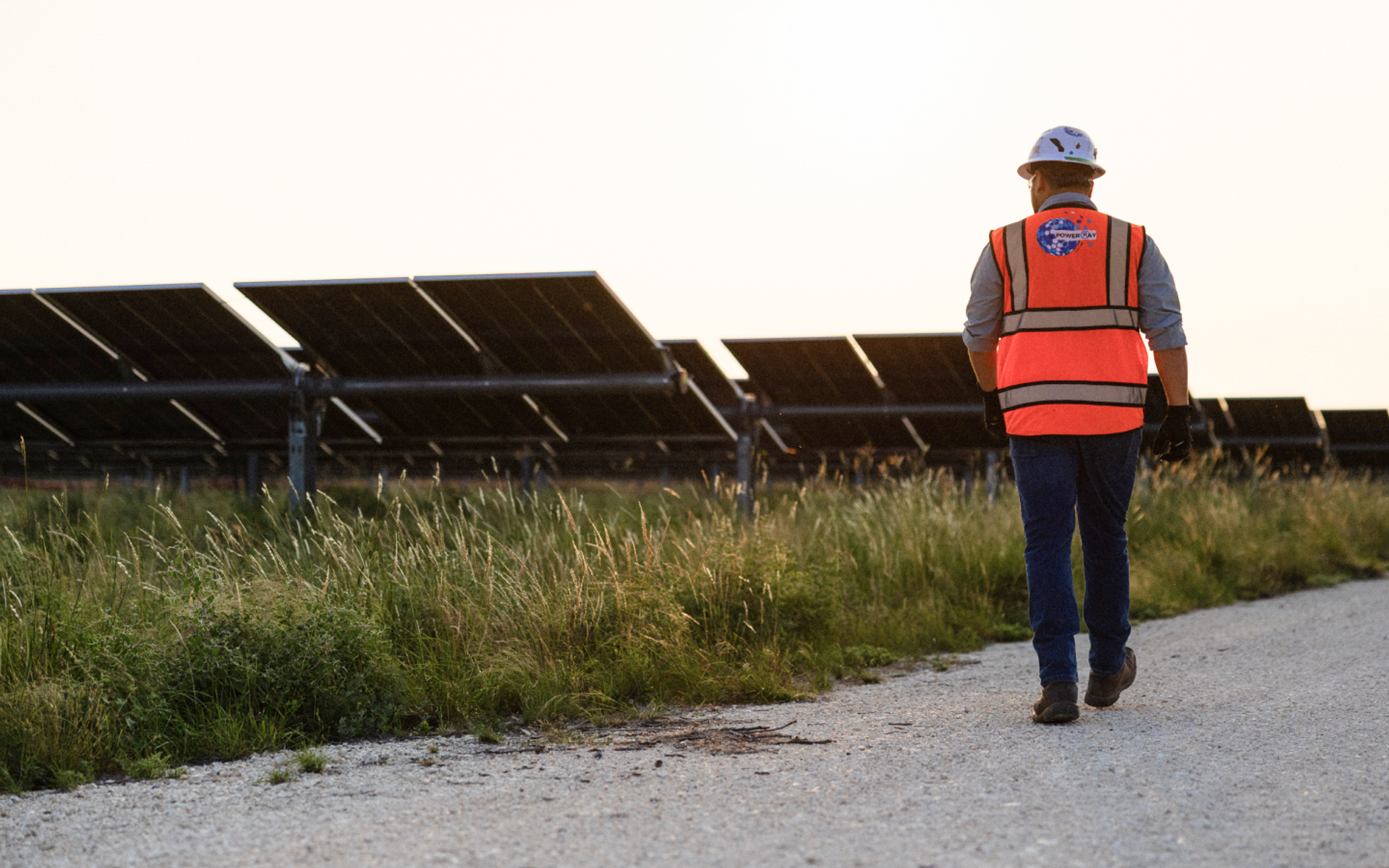
Utility-Scale Solar Workforce Solutions
Utility-scale solar projects require skilled crews who can step into complex construction environments and keep work moving.
Solar Construction Workforce Support
Labor shortages, compressed schedules, and changing field conditions make workforce reliability critical for EPC teams and project developers.
Power Ray provides solar construction workforce solutions for utility-scale solar projects, with experienced crews capable of executing specialized scopes.
Request a bid to discuss your project's workforce needs.
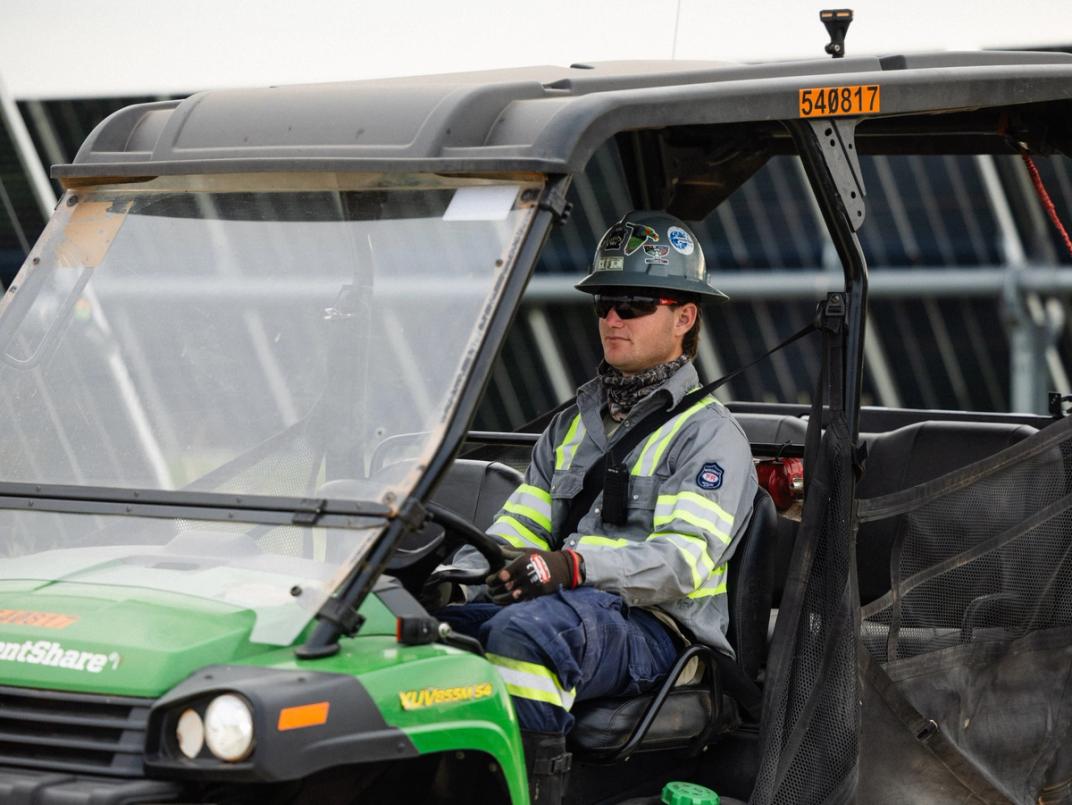
The Challenge of Solar Construction Labor
Solar construction schedules are tight, and the availability of qualified crews can directly impact project timelines.
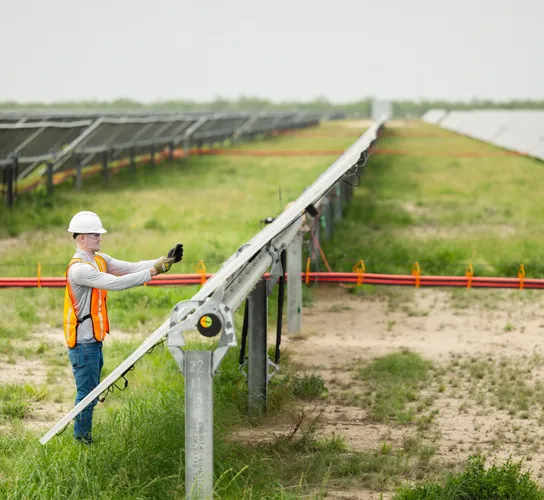
EPC teams often face challenges such as:
-
Labor shortages across multiple trades
-
Scaling crews quickly to match project phases
-
Maintaining safety and quality standards across large sites
-
Keeping work progressing when conditions change
When crews are understaffed or inexperienced, delays and inefficiencies can quickly affect the entire project. Reliable solar construction labor helps maintain schedule momentum and reduce execution risk.
Solar Construction Workforce Support
Power Ray supports utility-scale solar construction with a workforce built for large solar projects.
Our crews support EPC teams with experience in solar field construction and specialized scopes.
Workforce capabilities include:
- Solar construction labor crews
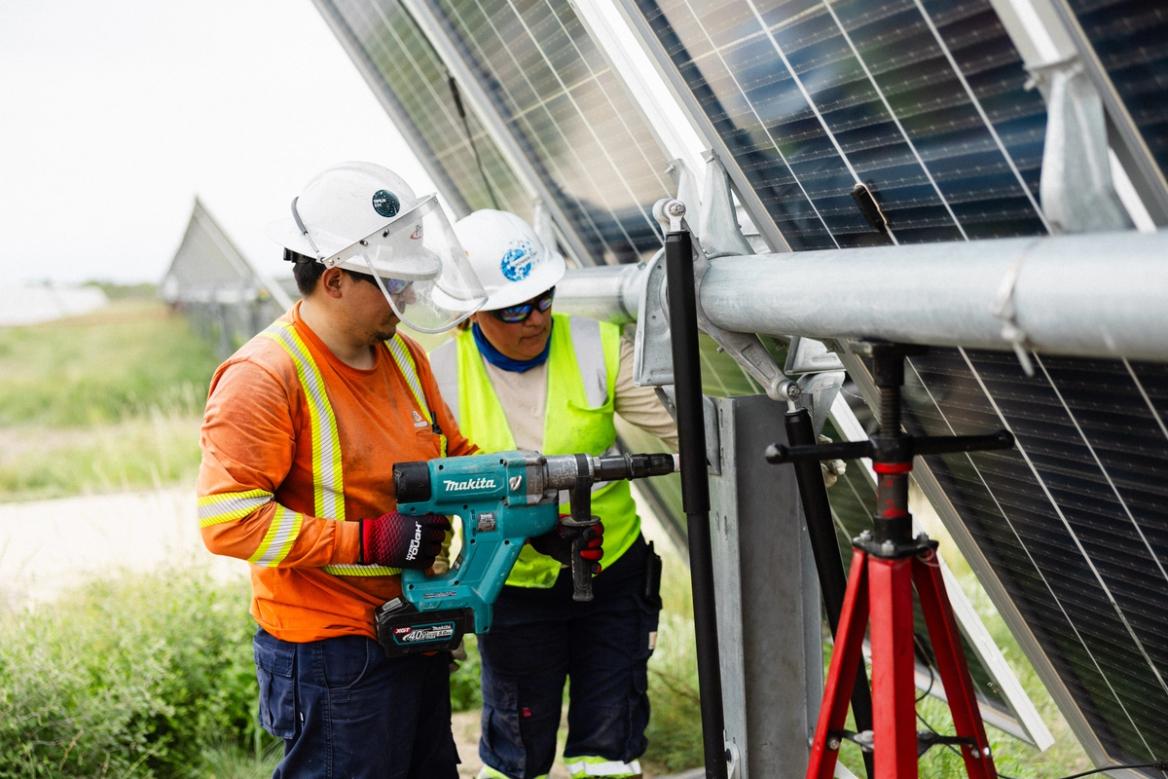
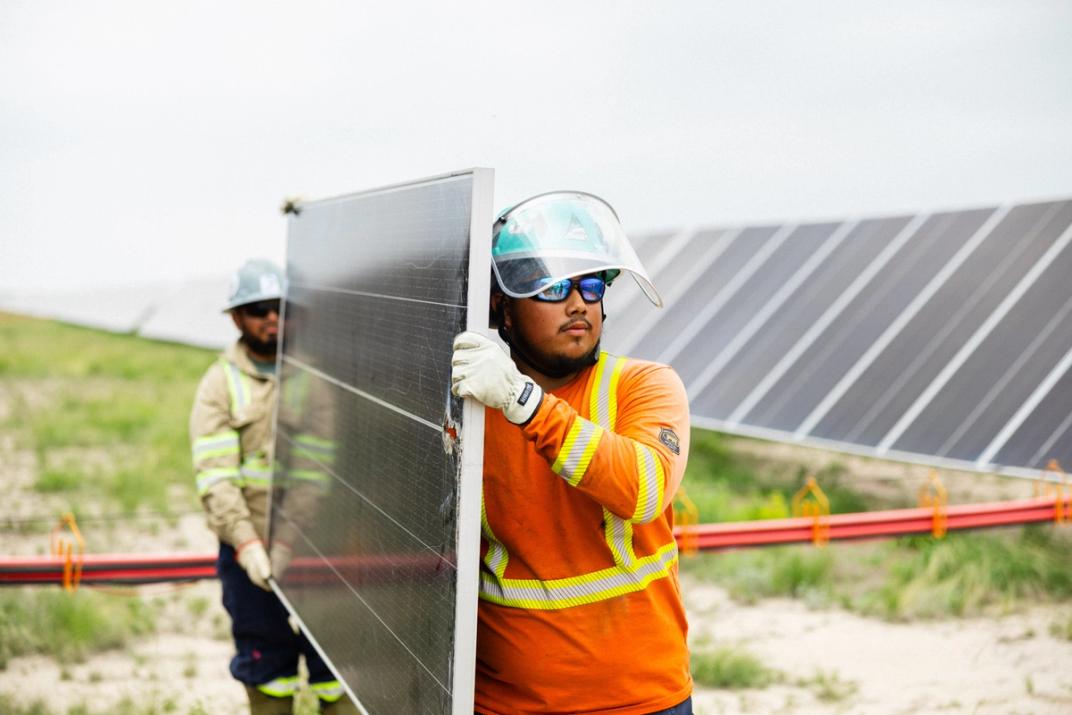
- Mechanical solar installation crews
- Electrical solar installation crews
- Support for specialized project scopes
- Workforce scaling based on project needs
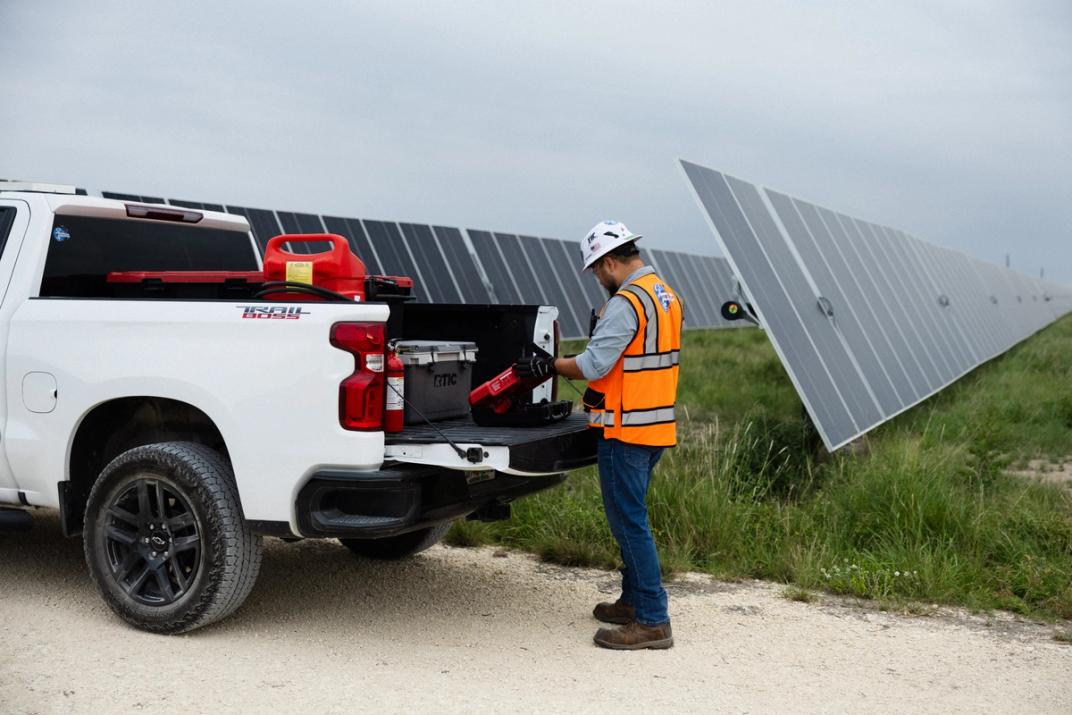
These crews integrate into project teams to support execution across large solar sites.
Built for Utility-Scale Solar Projects
Utility-scale solar projects require teams that can operate efficiently across large, complex job sites.
Power Ray crews are experienced in the construction environments common to utility-scale solar developments, including large multi-phase solar fields and projects with demanding schedules.
Our teams focus on safe execution in active construction environments, clear coordination with EPC project leadership, maintaining productivity across large solar fields, and supporting multiple project scopes when needed.
The goal is simple: help projects keep moving forward without unnecessary disruption.
The goal is simple: help projects keep moving forward without unnecessary disruption.
How We Support Solar Project Teams
- 01
Align Early
Define scope, schedule, and expectations upfront
- 02
Execute with Flexibility
Adapt to changing site conditions while protecting progress
- 03
Finish Strong
Ensure clean closeouts and successful project delivery

Workforce Support for Solar Construction
Experienced crews can make the difference between a project that struggles and one that stays on schedule.
Power Ray supports utility-scale solar construction teams with workforce solutions designed to help EPCs scale labor, maintain quality, and keep projects moving forward.
Workforce & Specialized Capabilities | FAQ Section
What are utility-scale solar workforce solutions, and how do they support the execution of utility-scale solar projects?
Utility-scale solar workforce solutions refer to the specialized labor, crews, and field support required to execute utility-scale solar projects efficiently, including skilled labor for mechanical and electrical installation, project support teams, and workforce management services. In utility-scale solar projects, having the right workforce in place is essential for maintaining progress, meeting timelines, and ensuring consistent execution across all phases of construction. Utility-scale solar workforce solutions focus on providing trained crews who understand the specific demands of solar construction. This includes experience with pile driving, solar racking installation, module installation, trenching, and electrical work. These specialized skills help ensure that tasks are completed accurately and efficiently, reducing the risk of errors or delays. Workforce solutions also involve managing labor availability and deployment across different areas of the project. Utility-scale solar projects often require large crews working simultaneously across expansive sites, and proper workforce planning helps ensure that labor resources are aligned with project needs. Another key aspect is adaptability. Utility-scale solar workforce solutions must be able to respond to changing conditions, such as shifts in schedule, weather impacts, or evolving project requirements. Flexible workforce management helps maintain productivity and keeps projects moving forward. Ultimately, utility-scale solar workforce solutions play a critical role in supporting execution, maintaining efficiency, and ensuring that solar projects are completed successfully.
Why are utility-scale solar workforce solutions important for maintaining timelines and managing labor challenges in utility-scale solar projects?
Utility-scale solar workforce solutions are important for maintaining timelines and managing labor challenges in utility-scale solar projects because they provide the skilled labor and flexibility needed to keep projects progressing without delays. In utility-scale solar projects, labor availability and coordination are often key factors that determine whether schedules are met. One of the primary challenges in solar construction is securing reliable and experienced labor. Utility-scale solar workforce solutions address this by providing crews who are already trained in solar installation processes, reducing onboarding time and allowing work to begin more quickly. Maintaining timelines also depends on having the right number of workers available at each stage of the project. Workforce solutions help ensure that labor resources are scaled appropriately, preventing delays caused by understaffing or inefficiencies. Consistency is another important factor. Experienced crews are able to maintain a steady pace of work and deliver consistent results across large project sites. This helps reduce the need for rework and supports smoother project execution. Additionally, workforce solutions help manage the complexities of coordinating multiple crews across different areas of the project. Effective communication and planning ensure that all teams are aligned and working toward the same goals. By addressing labor challenges and supporting efficient execution, utility-scale solar workforce solutions help keep projects on schedule and reduce the risk of delays.
How do utility-scale solar workforce solutions improve efficiency and coordination across large utility-scale solar projects?
Utility-scale solar workforce solutions improve efficiency and coordination across large utility-scale solar projects by ensuring that skilled crews are properly deployed, managed, and aligned with project goals. In utility-scale solar projects, where multiple teams operate across different scopes and locations, effective workforce management is essential for maintaining productivity. During project execution, workforce solutions help coordinate labor across mechanical installation, electrical work, and support functions. This ensures that each phase of the project has the necessary resources to progress without interruption. Efficiency is improved through specialization. Crews with experience in utility-scale solar construction can complete tasks more quickly and accurately, reducing downtime and minimizing errors. This contributes to smoother workflows and better overall performance. Coordination is also enhanced through structured workforce management. Clear communication between teams, project managers, and contractors helps ensure that work is completed in the correct sequence and that resources are used effectively. Another factor is adaptability. Workforce solutions allow for adjustments in labor allocation based on project needs, helping to address challenges such as delays or changes in scope. Ultimately, utility-scale solar workforce solutions support efficient and coordinated project execution, helping solar projects move forward with greater consistency and fewer disruptions.
What challenges typically arise when managing labor for utility-scale solar workforce solutions, and how can they impact utility-scale solar projects?
Utility-scale solar workforce solutions often involve challenges related to labor availability, coordination, training, and retention, all of which can impact the success of utility-scale solar projects if not managed effectively. Because solar construction requires specialized skills and large crews, workforce management is a critical component of project execution. One of the most common challenges is labor availability. Utility-scale solar projects often compete for skilled workers, and shortages can delay progress or reduce productivity. Workforce solutions must address this by sourcing and deploying qualified personnel efficiently. Coordination across large project sites is another challenge. With multiple crews working simultaneously, it is essential to ensure that labor is distributed effectively and that teams are aligned with project schedules. Poor coordination can lead to inefficiencies, congestion, or idle time. Training and onboarding also play a role. While experienced crews are ideal, new workers may need to be integrated into the project. Ensuring that all team members understand processes and safety requirements is essential for maintaining quality and productivity. Retention is another factor. High turnover can disrupt workflows and require additional training, which can impact timelines and costs. Addressing these challenges requires proactive planning, strong communication, and effective workforce management to ensure that labor resources support project success.
How do utility-scale solar workforce solutions influence long-term project success and performance in utility-scale solar projects?
Utility-scale solar workforce solutions influence long-term project success and performance in utility-scale solar projects by ensuring that construction is executed consistently, efficiently, and with a focus on quality. The performance of a solar project is closely tied to how well it is built, and workforce solutions play a key role in that process. Experienced and well-managed crews contribute to higher-quality installation, which supports system reliability and long-term performance. When work is completed correctly the first time, it reduces the likelihood of issues that could impact system functionality. Workforce solutions also support consistency across large projects. Uniform execution helps ensure that all components are installed to the same standards, which contributes to overall system performance. Additionally, efficient workforce management helps maintain project timelines, reducing delays that can impact project delivery and operational readiness. Ultimately, utility-scale solar workforce solutions contribute to long-term success by supporting quality construction, efficient execution, and consistent performance.
How do utility-scale solar workforce solutions scale crews effectively across utility-scale solar projects with changing labor demands?
Utility-scale solar workforce solutions must scale crews effectively across utility-scale solar projects with changing labor demands to maintain productivity, avoid delays, and ensure that each phase of construction is properly supported. In utility-scale solar projects, labor needs can fluctuate significantly depending on the stage of construction, site conditions, and project timelines. During utility-scale solar workforce solutions planning, contractors must assess the labor requirements for each phase of the project, including mechanical installation, electrical work, and support functions. This allows for the strategic deployment of crews where they are needed most. Scaling labor effectively means increasing or decreasing workforce size without disrupting workflow or creating inefficiencies. One key factor in scaling crews is flexibility. Utility-scale solar workforce solutions must be able to adapt quickly to changes such as weather delays, schedule adjustments, or shifts in project scope. This requires access to a reliable pool of trained workers who can be mobilized as needed. Coordination is also essential. As crews are scaled up or down, communication between teams must remain consistent to ensure that work continues smoothly. This includes aligning schedules, managing work zones, and ensuring that all team members understand their roles. Another important aspect is maintaining quality while scaling. Increasing the size of the workforce should not compromise installation standards or productivity. This requires strong oversight, standardized processes, and experienced leadership. Ultimately, effective scaling of crews through utility-scale solar workforce solutions allows projects to maintain momentum, adapt to changing conditions, and achieve consistent results across all phases of construction.
What role does training and onboarding play in utility-scale solar workforce solutions for utility-scale solar projects?
Utility-scale solar workforce solutions rely heavily on training and onboarding to ensure that all workers are prepared to perform their roles effectively on utility-scale solar projects. Because solar construction involves specialized tasks and safety requirements, proper training is essential for maintaining productivity, quality, and compliance. During utility-scale solar workforce solutions implementation, onboarding processes help integrate new workers into the project quickly and efficiently. This includes familiarizing them with site conditions, safety protocols, and specific installation procedures. A structured onboarding process reduces the time it takes for workers to become productive and helps prevent errors. Training also supports consistency across the workforce. Utility-scale solar projects require repetitive tasks to be performed uniformly across large areas, and proper training ensures that all workers follow the same standards and procedures. This contributes to higher-quality results and reduces the need for rework. Safety is another critical component. Utility-scale solar workforce solutions must ensure that all workers understand and follow safety guidelines to prevent accidents and maintain a secure work environment. Ongoing training may also be necessary as project requirements evolve or new technologies are introduced. Keeping the workforce updated helps maintain efficiency and adaptability. Ultimately, training and onboarding are essential components of utility-scale solar workforce solutions that support effective execution, consistent quality, and safe project operations.
How do utility-scale solar workforce solutions maintain productivity and consistency across multiple crews on utility-scale solar projects?
Utility-scale solar workforce solutions maintain productivity and consistency across multiple crews on utility-scale solar projects by implementing structured management practices, clear communication, and standardized processes. In large-scale projects, where numerous teams are working simultaneously, maintaining alignment is essential for achieving consistent results. One of the primary ways productivity is maintained is through clear scheduling and task allocation. Utility-scale solar workforce solutions ensure that each crew understands its responsibilities and has the resources needed to complete its work efficiently. This reduces downtime and helps maintain a steady pace of progress. Consistency is achieved through standardized processes. By establishing clear procedures for installation tasks, contractors can ensure that work is performed uniformly across all crews. This reduces variability and helps maintain quality across the project. Communication is another critical factor. Regular updates and coordination between crews, supervisors, and project managers help ensure that everyone is aligned with project goals and timelines. This reduces the risk of miscommunication and helps prevent delays. Supervision and oversight also play a role in maintaining productivity. Experienced leaders can identify issues early, provide guidance, and ensure that crews remain on track. Ultimately, utility-scale solar workforce solutions support productivity and consistency by creating a structured and coordinated approach to managing large teams across complex project environments.
What risks can arise from poor utility-scale solar workforce solutions on utility-scale solar projects, and how can they impact timelines and quality?
Utility-scale solar workforce solutions that are not properly managed can introduce significant risks that affect timelines, quality, and overall project success in utility-scale solar projects. Because labor is a central component of construction, inefficiencies in workforce management can quickly impact multiple areas of the project. One of the primary risks is delays. If there are not enough workers available or if crews are not properly coordinated, it can slow down progress and create bottlenecks across the project. These delays can affect subsequent phases and extend overall timelines. Quality issues are another concern. Inexperienced or poorly trained workers may not follow installation standards, leading to errors or inconsistencies. This can result in rework, increased costs, and potential performance issues. Coordination challenges can also arise. Without effective communication and planning, crews may interfere with each other’s work or fail to align with project schedules. This can reduce efficiency and create unnecessary complications. High turnover or poor retention can further disrupt workflows, requiring additional training and impacting productivity. Addressing these risks requires proactive workforce planning, strong management practices, and clear communication to ensure that labor resources support project success.
How do utility-scale solar workforce solutions support successful project completion and long-term operational readiness for utility-scale solar projects?
Utility-scale solar workforce solutions play a critical role in supporting successful project completion and long-term operational readiness for utility-scale solar projects by ensuring that construction is executed efficiently, consistently, and with a focus on quality. In utility-scale solar projects, the workforce is directly responsible for building the systems that will operate over the long term. During construction, utility-scale solar workforce solutions ensure that all tasks are completed according to schedule and standards. This includes coordinating crews, maintaining productivity, and ensuring that work is performed correctly. Efficient workforce management helps keep projects on track and reduces the likelihood of delays. Quality construction is essential for long-term readiness. When systems are built correctly, it reduces the risk of issues that could impact performance after the project is completed. Workforce solutions contribute to this by ensuring that skilled workers are in place and that processes are followed consistently. Coordination with other teams also supports successful completion. Workforce solutions must align with project management, construction phases, and commissioning activities to ensure a smooth transition to operation. Ultimately, utility-scale solar workforce solutions help ensure that projects are completed successfully and that systems are ready for long-term operation. They support efficiency, quality, and reliability, all of which contribute to the overall success of utility-scale solar projects.